Samsung vs Apple: the sports watches everyone compares (and why)
Samsung has just unveiled the new generation of its premium smartwatches, and comparison with its great rival, the Apple Watch Ultra, is inevitable. Both watches target the same audience—demanding athletes seeking advanced health and performance monitoring features—but their design philosophies and ecosystems make them quite different. Xataka.com has conducted an in-depth analysis of the differences between the Samsung Galaxy Watch Ultra2 and the Apple Watch Ultra 3, and the conclusion is clear: beyond sharing a name and market segment, they are almost opposites.
Design as the first breaking point
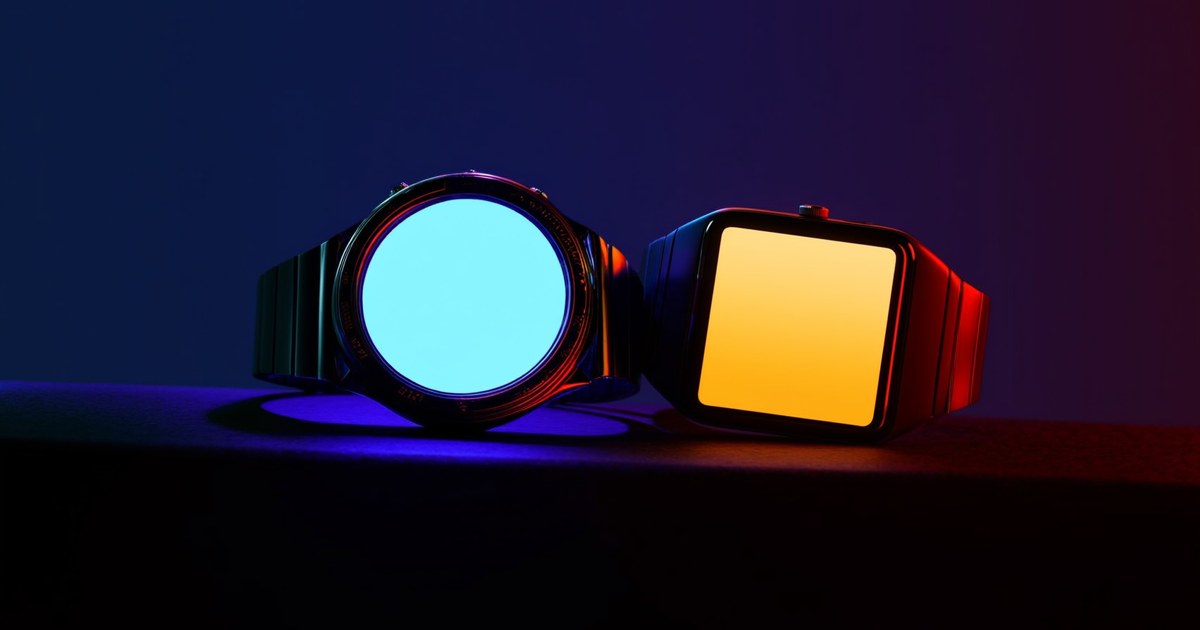
The most obvious difference lies in aesthetics. Samsung opts for a round format, while Apple maintains its characteristic square design across all its smartwatches. The sizes are very similar—47.4 mm for the Samsung versus 49 mm for the Apple—but here an interesting detail comes into play: Samsung's watch has a larger case but a smaller screen.
The Galaxy Watch Ultra2 features a Super AMOLED panel of 1.52 inches with a maximum brightness of 5,000 nits, while the Apple Watch Ultra 3 has a 1.99-inch Retina LTPO OLED panel with 3,000 nits of brightness. This means that in bright outdoor conditions, Samsung's watch will be more readable, but Apple's screen takes up more available surface area.
Battery and performance: where Samsung takes the lead
Battery life is one of the areas where the Galaxy Watch Ultra2 makes a considerable leap over its previous generation. It features an 800 mAh battery and promises up to 60 hours of continuous use, according to Samsung's figures. The processor change—from Exynos to Qualcomm—has been key to this result.
The Apple Watch Ultra 3, by contrast, maxes out at up to 42 hours of theoretical battery life. Although these figures are approximate and will vary greatly depending on actual device usage, Samsung achieves a notable margin of advantage that in practice could mean several extra days between charges.
The deciding factor: your phone
Here lies the real catch. Unlike other manufacturers, the choice between a Samsung watch or an Apple one depends almost entirely on which phone you use. Samsung reserves some exclusive features for Galaxy phone users, such as sleep apnea detection. Apple does the same with features like precision finding or route syncing with Maps.
But the most decisive factor is even more basic: the Galaxy Watch Ultra2 works exclusively with Android, while the Apple Watch Ultra 3 is exclusive to iPhone. If you have a Samsung phone, you won't be able to use Apple's watch. If you have an iPhone, Samsung's won't work for you.
Price and availability
The Samsung Galaxy Watch Ultra2 has launched at an official price of 749 euros, while the Apple Watch Ultra 3 is currently priced at 829 euros. However, Samsung's watch is already available at promotional prices in some stores, making the price gap even more interesting for buyers.
Both watches offer complete health monitoring sensors—ECG, optical heart rate sensor, accelerometer, gyroscope, altimeter, and dual-frequency GPS—but the real question is not which is better, but which fits better into your ecosystem.
Source: xataka.com