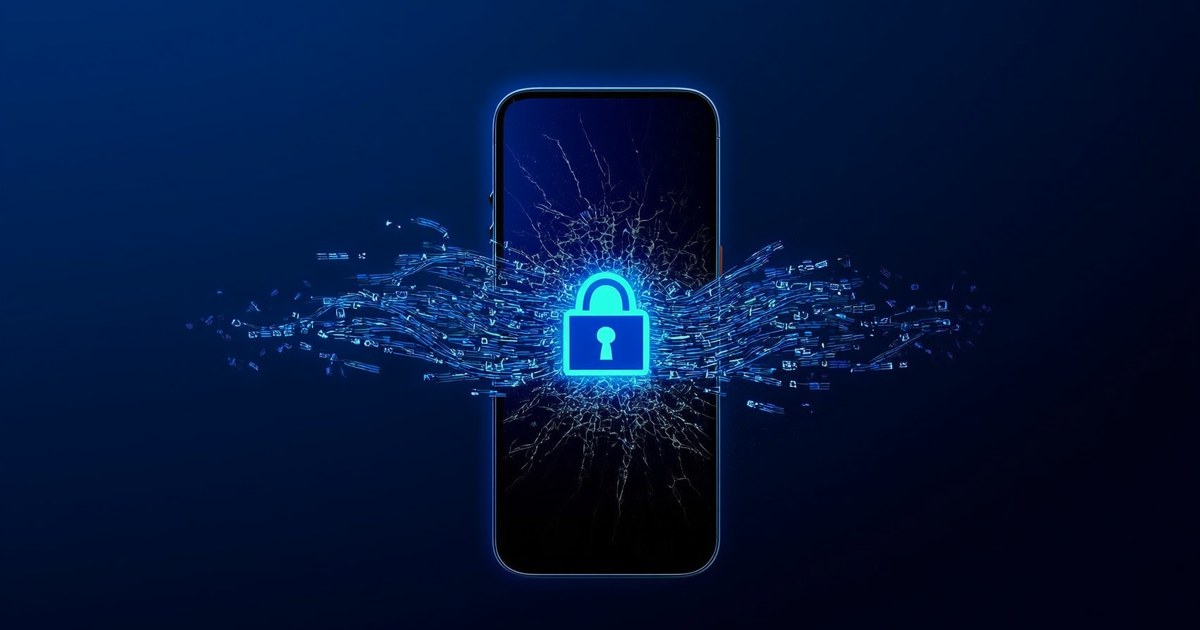
Your free Android VPN is selling you without your knowledge
If you believe that a free VPN on your Android phone protects you from prying eyes, it may be time to reconsider that decision. A recent study has revealed that hundreds of millions of users are exposed to serious vulnerabilities in some of the most downloaded applications on the market, according to hipertextual.com. The irony is that many of these apps are installed precisely to improve online privacy.
The illusion of free privacy
When we download a free VPN, we think we are getting a good deal: anonymous browsing without spending a euro. But the reality is more complex. These services need to monetize somehow, and if the user does not pay with money, they end up paying with data.
Independent investigations have documented how some of these applications leak information that was supposedly protected: real IP addresses, browsing history, approximate location, and even unique device identifiers. All of this happens silently, without most users noticing.
Millions of Spaniards at risk
Spain is not immune to this problem. Although the study mentioned does not specify figures by country, the penetration of free VPN applications among Spanish users is considerable. Many people install these apps to connect to public WiFi networks in cafés or train stations, believing they are completely safe from attacks.
What they do not know is that in some cases, the risk could come from the protection application itself. This is especially serious for professionals handling sensitive information, remote workers accessing company systems from outside, or simply anyone who prefers to keep their digital activity private.
How to tell if your VPN is betraying you?
Detecting these types of leaks is not trivial for the average user. Applications can be apparently doing their job—showing that you are connected to a server in another country—while simultaneously sending data to third-party servers. There is no visible alarm, no warning on the screen telling you that your information is being exfiltrated.
Some indirect indicators can help you:
- The application requests excessive permissions compared to what it needs (access to contacts, photos, or call history)
- Your phone's performance noticeably degrades when the VPN is activated
- Battery drains much faster than normal
- Targeted advertisements appear based on searches you performed with the VPN "activated"
Alternatives: free has its limits
This does not mean that all free VPNs are fraudulent, but the risk is real and documented. Reliable VPN services—especially paid ones—have economic incentives aligned with user privacy: if you are a customer, your trust is their most valuable asset.
Several paid VPNs offer versions with bandwidth limitations or free servers, allowing you to test their security without spending money initially. Other non-profit organizations also offer more transparent and publicly audited alternatives.
The conclusion is uncomfortable but clear: on the internet, something that is free is not always beneficial. Before installing any VPN on your Android, it is worth verifying who is behind the application, reading independent reviews, and especially carefully checking the permissions it requests. Your privacy could well be at stake.
Source: hipertextual.com