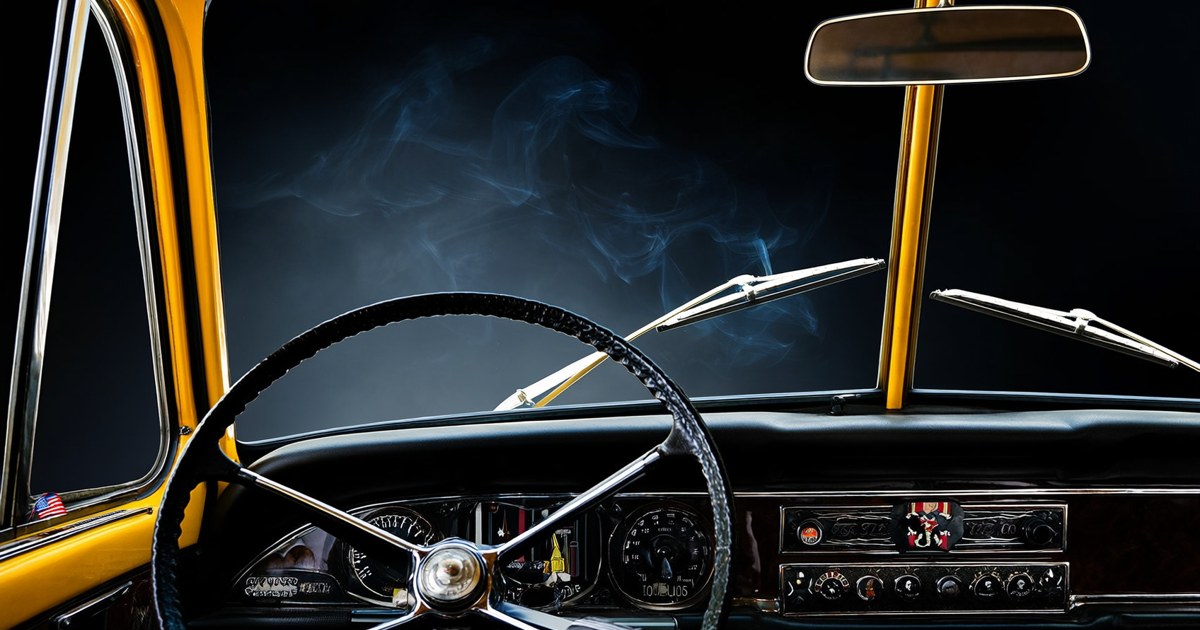
New tobacco law bans smoking in taxis and ride-sharing vehicles
The Government has approved an update to the Anti-Smoking Law in the Council of Ministers, a regulation that had not been renewed for 16 years. Among the most relevant changes is the prohibition of smoking and vaping in certain professional vehicles, with fines of €200 for offenders. Although the headline promises changes in cars, the reality is more nuanced: it only affects certain types of transport and very specific situations.
Where exactly is smoking now prohibited?
The new regulation prohibits smoking and vaping in taxis, VTC vehicles and company ride-sharing cars. However, there is a fundamental caveat: the prohibition only applies when the vehicle is used for professional passenger transport service.
This means that a driver who always uses the same company car for work trips will be able to continue smoking without legal restriction under this law. There will also be no limitation in vehicles for goods transport where several drivers rotate, as long as they do not transport passengers. The logic is clear: the prohibition protects third parties who share the enclosed vehicle space, not those who drive alone.
E-cigarettes treated as tobacco
One of the most substantial changes is the equating of electronic cigarettes with traditional tobacco. For years, vaping devices occupied a legal grey area, but now they are subject to the same restrictions as conventional tobacco in these professional spaces.
This change reflects the evolving European regulatory approach to nicotine products and their impact in shared spaces, although there is still no general prohibition on smoking in private cars.
The fine: €200, but without losing licence points
Offenders will face a sanction of €200, classified as a serious offence under the Anti-Smoking Law. However, as reported by xataka.com, this sanction does not result in loss of driving licence points nor will it appear in traffic law.
The reason is that this is an administrative infringement specifically regulated by the Anti-Smoking Law, not by traffic regulations. This contrasts with other driving behaviours—such as drinking, eating or handling a mobile phone—that can result in loss of points if considered dangerous distractions.
The context: years of debate without a decision
The prohibition on smoking in cars has been a subject of debate for years. In 2022, the Government already toughened penalties for throwing cigarette butts from vehicles, raising them to €500. But there had never been an explicit prohibition on smoking while driving, partly because the law considers any behaviour that distracts as potentially punishable under other articles of traffic law.
There were even proposals to ban smoking when minors were in the vehicle, something that other European regulations already provide for. However, this 2026 update has opted for a more limited approach: it only affects professional passenger transport vehicles.
What does this mean in practice?
For most Spanish drivers, little changes. Those who drive private cars will continue to be able to smoke without legal restriction under this regulation. Taxi drivers and VTC drivers will see tougher rules. And employees with exclusive-use company cars will also not face limitations.
The update to the Anti-Smoking Law represents a step towards protecting passengers in professional enclosed spaces, but leaves open the question of smoking in private vehicles, a debate that will likely resurface in future legislatures.
Source: xataka.com