MediaTek finally matches Qualcomm: what changes for your phone
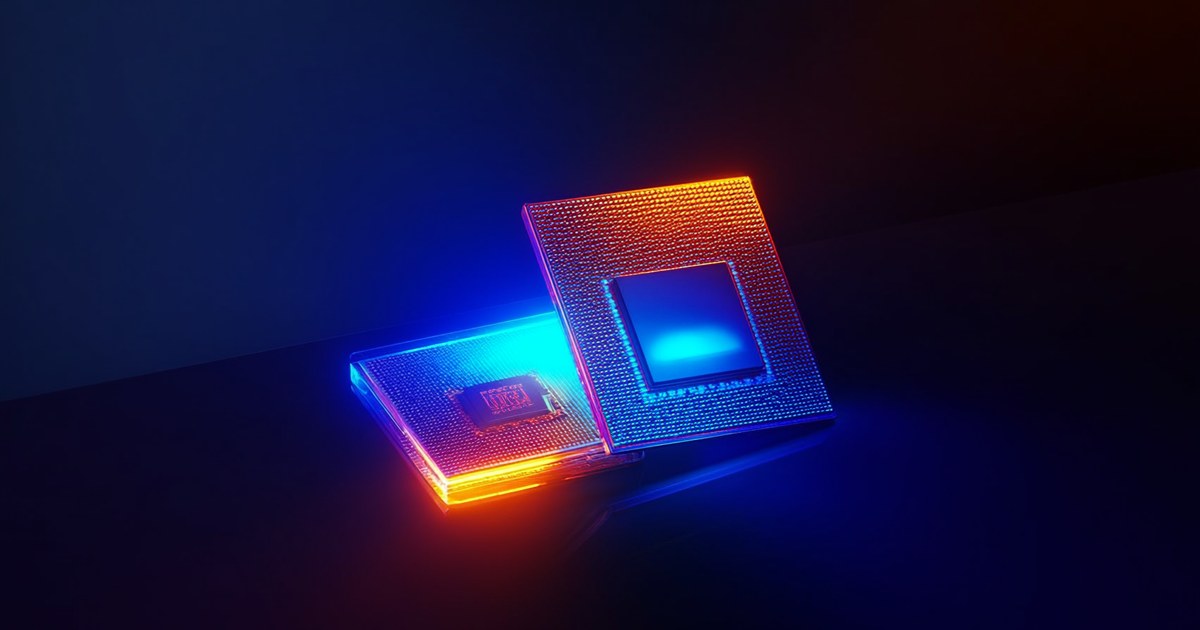
For years, choosing a mobile phone with a MediaTek processor meant accepting a kind of compromise: save money, but resign yourself to lower performance. If you wanted speed, timely updates and real energy efficiency, the only path was to look for a Qualcomm Snapdragon in the box. But that is no longer the case. As xataka.com reports, in 2026 the technical distance between both processor manufacturers has narrowed so much that, for the first time, talking about a clear advantage of one over the other is almost anachronistic.
From historic gap to technical parity
The transformation has been radical. MediaTek, with its Dimensity series, has achieved what seemed impossible just five years ago: integrating real power, 5G connectivity with ultra-low latency and 3-nanometre manufacturing processes in devices that cost no more than 300 euros. That has put Qualcomm in an uncomfortable position: dominating the premium segment is no longer enough.
San Diego's response has been to strengthen its 6 and 7 series, the mid-range ones, ensuring that a current budget phone delivers performance comparable to flagship devices from just two years ago. We also cannot ignore that the pressure comes from further afield: Chinese manufacturers like Xiaomi and Huawei are developing their own chips, something that has accelerated the evolution of the entire industry.
Local AI: where the difference barely exists
One of the major milestones of 2026 is the ability both processors have to execute generative artificial intelligence locally, without relying on remote servers. MediaTek integrates its own APU (AI Processing Unit) with specifications comparable to Qualcomm's Hexagon, which has been in Snapdragons for years.
In everyday use, the difference is practically imperceptible. Whether you're editing an 8K video or asking your assistant to summarize a document, both manufacturers offer fluid performance without the stuttering that characterised Android a decade ago. There is no clear winner here, and that is good news for the buyer.
Three immediate consequences for the consumer
- Processor brand no longer matters. The range of devices has reached a point of maturity where choosing based solely on whether it has MediaTek or Qualcomm is a mistake. What matters is the overall package.
- MediaTek stopped being the cheap alternative. Now it competes at the highest level, in quality and not just in price. Qualcomm, for its part, has had to step down from the pedestal to compete on value for money.
- Both chips run at the same speed. For the first time in recent Android history, the processor in your phone is almost irrelevant to the performance you will achieve.
What does this mean for you?
The good news is that you have real freedom of choice without sacrificing anything. A 400-euro phone with MediaTek Dimensity can offer you practically the same as one costing 600 euros with Snapdragon. Real competition has shifted to other variables: display, camera, battery, software. The engine is important, yes, but it is no longer the only thing that counts.
Does this mean Qualcomm or MediaTek will disappear from the market? No. It means the hard duopoly that existed years ago has become real competition, where both companies have to constantly strive to improve. And when there is no clear dominant player, the only winner is the consumer.
Source: xataka.com