Photo: cincodias.elpais.com
2026 World Cup closes with record-breaking £9bn revenue for FIFA
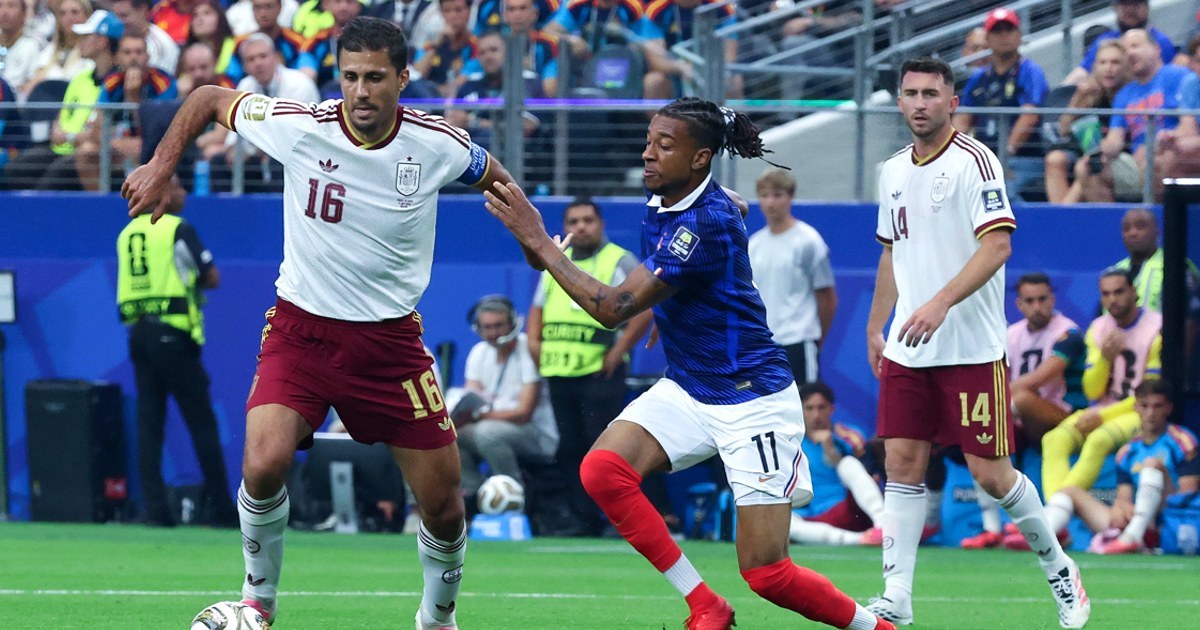
The 2026 World Cup has closed its doors leaving behind a historic record that consolidates football as one of the great economic engines of world sport. FIFA has raised 9 billion dollars, 28% more than in previous editions, according to cincodias.elpais.com. A surprising figure given that the tournament has developed under a barrage of criticism and controversy, particularly surrounding Gianni Infantino's management of world football's governing body.
A tournament of record figures amid controversy
Despite constant questioning about transparency in organisation and resource management, the 2026 World Cup has exceeded all economic expectations. The 9 billion dollars raised represent a significant quantitative leap compared to previous editions, consolidating the growth trend in revenues from recent World Cups.
This 28% increase is no accident, but the result of a more aggressive commercial strategy: greater television rights, expanded sponsorships and more exhaustive exploitation of advertising spaces inside and outside stadiums. The wave of uncertainty that surrounded the tournament's preparations did not halt this money-making machine.
Infantino at the centre of the storm
Gianni Infantino, FIFA president since 2016, has been at the centre of controversy throughout this campaign. Criticism of his leadership has been constant, from questions about the institution's governance to concerns about the sustainability and social impacts of major sporting events. However, from a strictly economic standpoint, the tournament he has presided over has reached historic highs.
The paradox is evident: while critics question FIFA's direction, the coffers of world football's governing body are filled with unprecedented sums. This raises uncomfortable questions about how these funds are distributed and to what extent they truly benefit grassroots football and national federations.
What does this figure mean for world football?
The 9 billion dollars are not just numbers on a spreadsheet: they represent a massive capital injection into a complex ecosystem involving federations, clubs, players and local communities. Theoretically, these funds could be allocated to:
- Development of football infrastructure in developing countries
- Training and talent development programmes worldwide
- Investment in women's football and youth categories
- Compensation to host countries for social impact
However, no detailed plan has yet emerged on how FIFA intends to channel this wave of income. Transparency, precisely, is one of the issues that has most surrounded Infantino's management with criticism.
A precedent for future tournaments
This record figure sets a new benchmark for future World Cup editions. The next hosts will know that economic potential is greater than ever, but also that income expectations will soar. The question now is whether FIFA will be able to replicate these numbers without sacrificing the competitiveness or integrity of the tournament.
The 2026 World Cup has demonstrated that, regardless of controversies, football remains a practically inexhaustible business. The question that remains is whether that wealth will ultimately end up on the pitch or continue to accumulate in the vaults of Zurich.
Source: cincodias.elpais.com