Spain breaks records: 46 million tourists and €63.8 billion spent
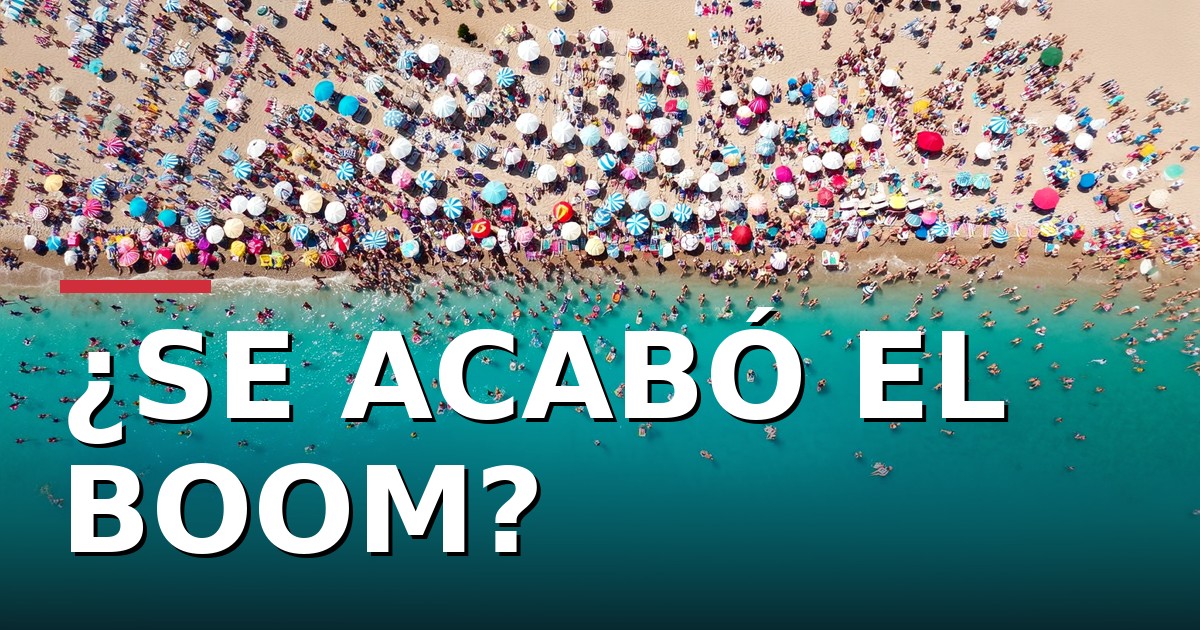
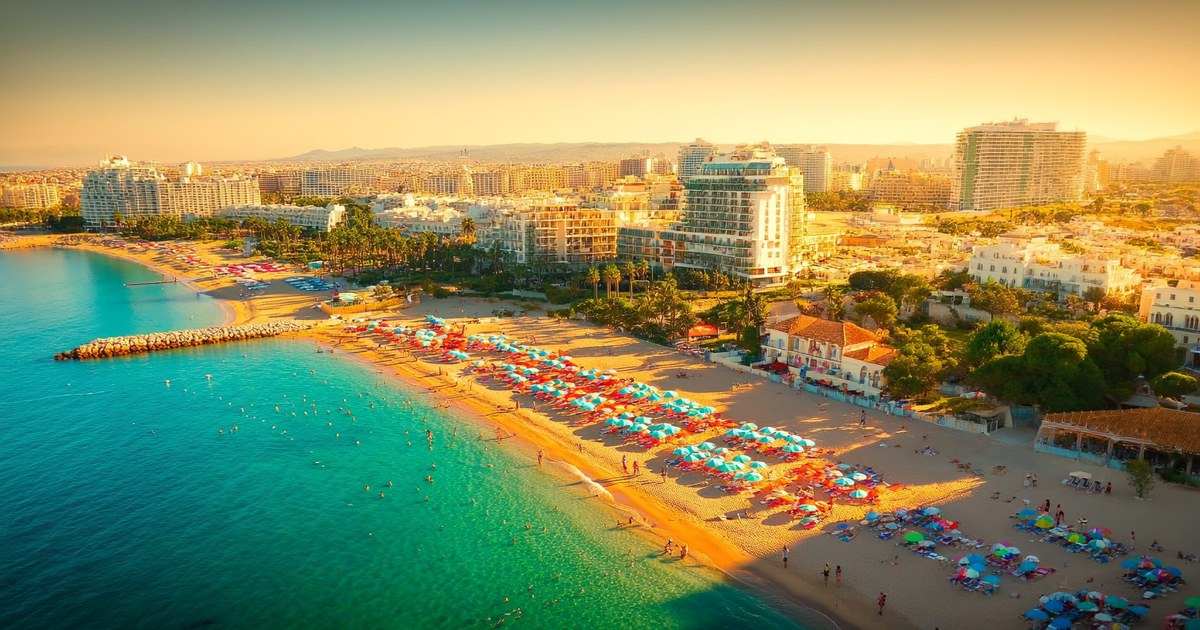
Spain is experiencing a summer of tourism records that seems to know no bounds. Between January and June, the country received 46.56 million international visitors, 4.6% more than in the same period last year, who spent a total of €63.836 billion, representing an increase of 7%. These figures, released by the National Statistics Institute (INE) and reported by eldiario.es, consolidate a trend that month after month sets historical highs.
Spending grows faster than arrivals
The most relevant aspect of these figures is not only that more tourists are arriving, but that they are spending more per person. The average spending per traveller reached €1,393 in these first six months of the year, while the average daily expenditure stood at €211 per person. This reflects what the tourism sector calls "higher quality" tourism: travellers who stay longer and consume higher-value services.
In June alone, the month marking the start of the summer season, 9.7 million tourists entered Spain (2.9% more than the same month last year) and left €13.579 billion in the Spanish economy, 4% higher than twelve months ago.
Markets driving Spanish tourism
The United Kingdom remains the main source market for tourists to Spain. In the accumulated six-month period, more than 9.3 million British visitors arrived, an increase of 4.3% compared to the previous year. They are followed by Germany (almost 5.7 million, though down 1.1%) and France (more than 5.6 million, up 1%).
In terms of spending, the British lead again with 20.6% of the total, followed by Germans (11.1%) and French (6.5%). Notably, tourists from the United Kingdom increased their spending by 7.1% year-on-year, while those from France reduced their expenditure by 6.3%.
Asian and Middle Eastern travellers, grouped in the "rest of the world" category, were those who spent the most per day: €256 per person, with annual growth of 3.8%.
Balearic Islands lead, but Andalusia grows strongly
By autonomous communities, the Balearic Islands position themselves as the top destination with 23.3% of total arrivals in June, followed by Catalonia (20.8%) and Andalusia (15.7%). However, in the accumulated six-month period, Catalonia received more tourists: 9.6 million with an increase of 3.5%. The Canary Islands accumulated 7.8 million (down 0.6%) and Andalusia 7.3 million (with robust growth of 7.9%).
In terms of average daily spending, Andalusia led in June with €288 per tourist, although it suffered a decline of 12.5% compared to the previous year. The Balearic Islands followed with €267 daily (increase of 6.4%).
How far will this growth go?
The majority of tourists continue to stay for four to seven nights, with almost 4.9 million travellers registering this pattern. This data suggests Spain continues to consolidate itself as a medium-term holiday destination, not just for quick getaways.
With these numbers, Spain's tourism industry is going through its best period in years. The question now hovering over the sector is whether this momentum will be maintained during the months of highest summer traffic, or if June's figures mark the peak of a season that is already historic.
Source: eldiario.es