Leroy Merlin reveals simple trick to beat summer heat without air conditioning
As summer arrives, keeping homes cool without constantly relying on air conditioning has become an obsession for many Spaniards. Electricity bills skyrocket, energy consumption spirals out of control, and yet the heat remains relentless. But what if a solution existed that was simpler than we imagined? María Herranz, Market Rehabilitation Director at Leroy Merlin Spain, has the answer: creating strategic shade zones at home is far more than an aesthetic matter. It is, in fact, a smart investment that directly impacts both your home's temperature and your wallet.
The key is blocking heat before it enters
According to diezminutos.es, shading systems significantly reduce heat entry and allow spaces to remain cooler without relying on air conditioning. But Herranz goes further: these mechanisms not only provide immediate comfort, but also diminish the need for air conditioning and improve the overall energy efficiency of the home. In other words, installing an awning or pergola means saving money month after month on your electricity bill.
The additional benefit is almost a bonus: they extend the use of terraces, balconies and gardens for many more hours of the day, protect furniture and textiles from sun damage, and transform outdoor spaces into genuine refuges during the most stifling season.
Three factors you cannot ignore before choosing
Before rushing to buy the first awning you see, Herranz warns that three key elements determine which solution is most suitable for your home:
- Your home's orientation. West-facing receives the most intense radiation in the afternoon, east-facing concentrates the morning sun, south-facing maintains constant exposure and north-facing has more indirect incidence.
- The type of available space. A tiny balcony is not the same as a spacious terrace or a complete garden. Size and intended use determine the optimal solution.
- Climate conditions. Extreme heat, wind or rain directly influence the choice of materials and structure, so greater environmental demands require greater system resistance.
The best options available on the market
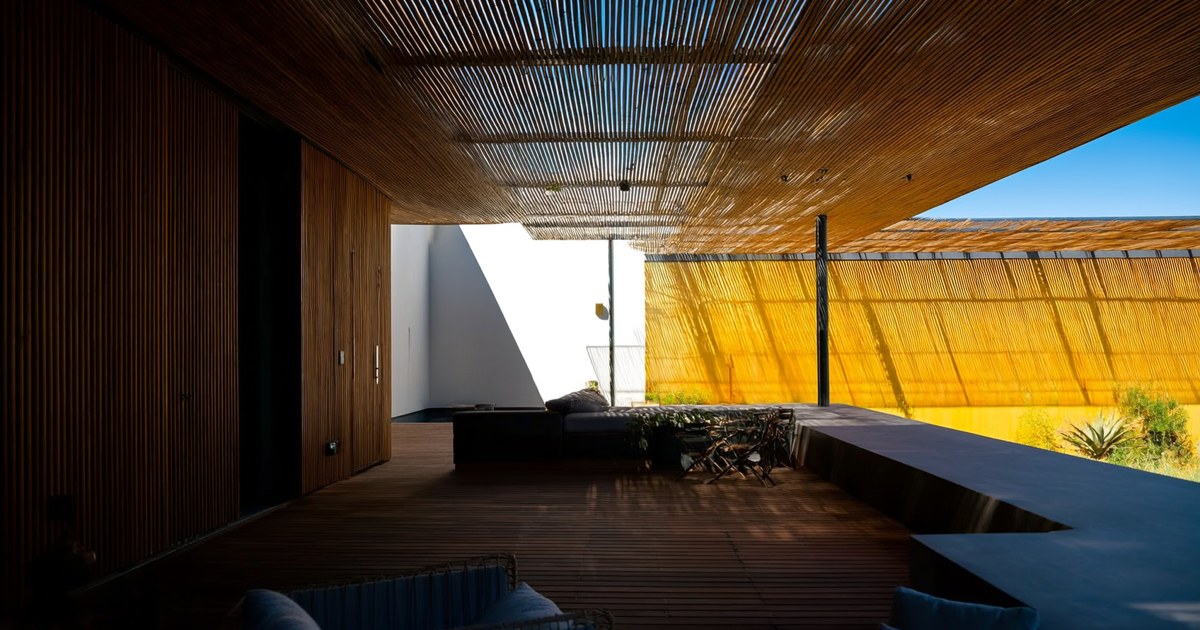
Awnings are the most versatile option and work especially well on terraces, balconies and windows, with both manual and motorised versions. For those seeking something more sophisticated, bioclimatic pergolas provide added comfort thanks to their adjustable slats, which allow you to regulate both light entry and ventilation.
If what you need is flexibility and mobility, umbrellas or parasols are the quick solution with no fixed installation, perfect for specific areas or spaces where you prefer not to do construction work.
Material makes the difference in durability and effectiveness
Herranz insists that fabric choice is decisive. Acrylic is the most balanced for regular use: it offers greater resistance to solar radiation, retains colour better over time and provides superior thermal protection. Polyester, meanwhile, is the most basic and economical option, suitable for occasional use or less exposed spaces, although with more limited durability.
In conclusion, before suffering another scorching summer or paying astronomical air conditioning bills, ask yourself: have you really explored all the options within reach?
Source: diezminutos.es