Far-right Italian general sparks outcry with AI 'death sentence' video on rivals
An artificial intelligence-generated video featuring a far-right Italian general appearing to "sentence to death" opposition leaders has unleashed a political firestorm in Rome that exposes fissures within the ruling coalition.
The video that ignited Italy
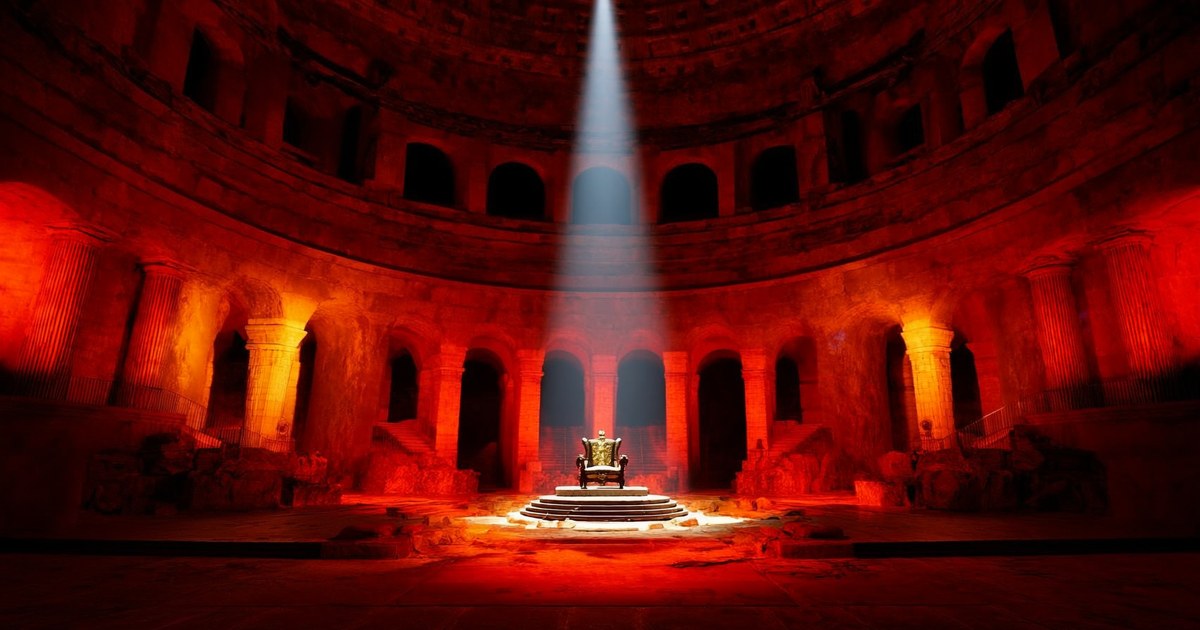
Roberto Vannacci, the controversial far-right general who founded his own party just months ago after leaving Matteo Salvini's League, shared on social media an AI creation simulating a scene from the Roman Colosseum inspired by the film "Gladiator". In the images, Vannacci appears portrayed as an emperor who, with thumbs down in a classical Roman gesture, "sentences to death" four prominent members of the Italian left.
According to abc.es, the "condemned" in the video are Elly Schlein (secretary general of the Democratic Party), Giuseppe Conte (leader of the Five Star Movement), Romano Prodi (former prime minister) and Laura Boldrini (deputy). In the background appear Prime Minister Giorgia Meloni and Senate President Ignazio La Russa, both positioned in the second plane next to Emperor Vannacci.
An unsettling communication style
This type of messaging echoes the communication strategy of US President Donald Trump on social media: provocative, direct and framed as entertainment while broaching sensitive topics. The use of AI to create these images adds a layer of distance that allows the author to evade direct responsibility: "it's just a fictional video," one might argue.
What is worrying is the underlying message. Although it is digital fiction, the metaphor of "sentencing to death" directed at political opponents crosses clear lines in democratic debate. The Italian left has seen it this way and wasted no time reacting.
Cascading reactions
Opposition leaders have not let the incident pass. Giuseppe Conte was direct: "Vannacci incites violence, but he does not scare us" and posed an uncomfortable question to Government partners: "Do Meloni, La Russa, Tajani and Salvini make deals with these people? Does the prime minister neither condemn nor agree?".
Democratic Party deputy Francesco Boccia was even more forceful, describing the video as "aberrant and violent political communication" that "has little to do with democratic debate".
The uncomfortable silence of Government
Meloni's team's response has been defensive. Lucio Malann, leader of Brothers of Italy in the Senate, attempted to distance himself from the content, stating that "clearly it does not represent us in terms of message and style". However, he avoided a clear condemnation of the video, focusing instead on questioning why the left was asking Meloni to comment on "a video from an opposition party".
This is the critical point: Vannacci has just left the League to create National Future, but maintains an ambiguous relationship with the Government. The fact that Meloni and La Russa appear in the video is no coincidence, but a nod that reinforces their political ties despite formal distance.
Context: how Vannacci became a problem
Since bursting onto the public sphere in 2023 with the publication of a controversial book in which he claimed that homosexuals "were not normal", Vannacci has generated controversy after controversy. His political rise has been meteoric but also corrosive, both for the coalition that harbours him and for the standards of Italian political debate.
How far will political tolerance stretch toward messages that romanticise the elimination of adversaries? That is the question Italy is asking itself today.
Source: abc.es